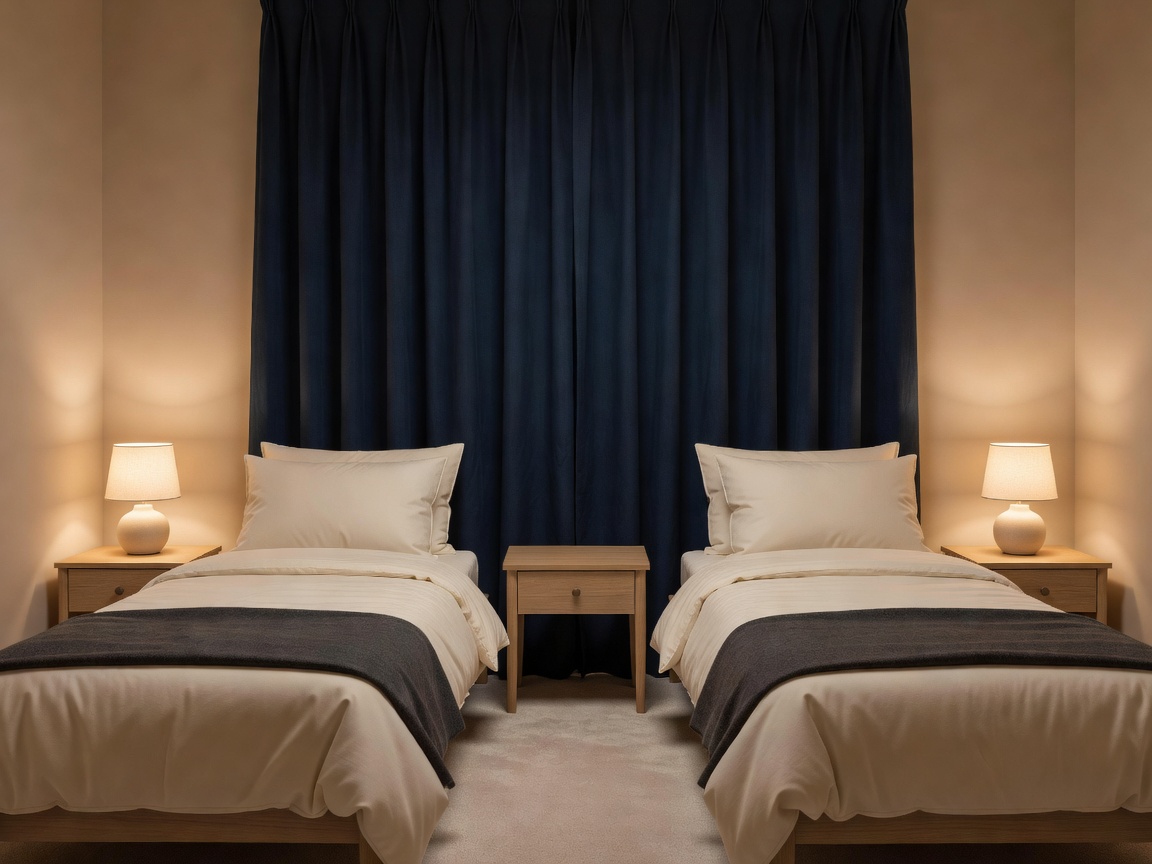
 Room allocation
Protect a window, not a promise
“Quiet” is a description. A room location, housekeeping agreement and late-return routine are arrangements you can check.
Field guide / 01 / Recovery
Recovery starts with a calendar and a rooming plan. Give the team's time away from competition the same operational attention as its venue arrival.
Room allocation“Quiet” is a description. A room location, housekeeping agreement and late-return routine are arrangements you can check.
A match ending time is not a bedtime. The team may still need media duties, equipment collection, transport, food and a short debrief. Work backwards from the next mandatory appearance, then map the hours that remain. If the proposed schedule leaves little room for rest, changing the hotel alone will not solve it. Raise the conflict with the relevant team and event contacts before the itinerary becomes fixed.
Use the event's current local schedule and mark which elements remain provisional. For travel across time zones, distinguish arrival-day plans from the established competition routine. A coach can identify necessary preparation, while the manager protects the time around it. Individual sleep or health concerns belong with appropriately qualified support, not a generic hotel checklist.
Ask the property about room positions relative to lifts, service cupboards, bars, loading areas and function spaces. Find out whether private events, maintenance or nearby construction are expected during the stay. None of these questions can guarantee silence, but they produce a more useful answer than a general request for the hotel's quietest rooms.
Confirm the bed configuration rather than relying on a room category name. A twin room, an additional bed and a sofa bed are different arrangements. Discuss sharing preferences privately and avoid assuming that players of the same role or age should share. Provide the property only the details it needs to allocate rooms. Keep sensitive explanations within the team's appropriate support channels.
Request the agreed bed types, a suitable quiet location and a clear route for reporting problems. Ask which parts are confirmed and which remain subject to allocation on arrival.
Blackout coverage, ventilation, temperature controls and corridor light can all affect comfort. Ask what guests can actually adjust and whether windows open where that matters to the team. A description such as “air-conditioned” does not establish whether heating or cooling is individually available in the relevant season. Verify any essential condition directly.
Check charging points and basic luggage space without turning bedrooms into equipment stores. Large cases, spare monitors and open practice stations reduce usable space and can block routes. Keep room access and emergency exits clear. Where players have individual access requirements, confirm the complete route and bathroom arrangement, with their agreement, rather than treating a room label as sufficient.
Find the breakfast service window and the final time for evening food. Ask what a delayed team return would mean in practice: a pre-agreed meal, an adjusted service, or no food provision at all. Confirm order deadlines, costs and a responsible contact. Do not assume that nearby restaurants will remain open or accept a large group without notice.
Dietary needs require specific conversations about ingredients, cross-contact and the venue's capabilities. A buffet label is not a substitute for an agreed process, particularly where allergies are involved. Share only necessary information with permission. Plan access to drinking water and familiar food options, while leaving nutrition decisions to the team's qualified advisers where available.
Agree a workable housekeeping window and ask how the team can request towels or essentials without disturbing sleepers. A do-not-disturb sign may change when staff can enter, but it does not override a property's safety procedures. Clarify those procedures and align room servicing with departure for the venue where possible.
Separate debriefs, social time and practice from sleeping rooms whenever space allows. A private review room is useful only if the coach knows its access hours and the roster understands when the session ends. Keep avoidable announcements out of the overnight period and decide which issues genuinely justify contacting a resting player.
Nominate one person to handle room faults, noise complaints and late key problems. Keep the property's overnight contact available offline. If a room becomes unsuitable, ask what relocation options exist and whether the original allocation can be restored. Document the issue factually, without promising the team an outcome that the property has not agreed.
After departure, record useful operational findings: whether meal timing held, the room location worked and housekeeping followed the agreed window. Avoid retaining personal sleep observations or health information in a general travel log. The next accommodation brief should become clearer, not more intrusive. A consistent network standard begins with repeatable service questions and respectful handling of the people using the rooms.